


The February 28 protest was the second Dance for Freedom (Tánc a Szabadságért) event in Budapest, initiated and organised by Drugreporter. The first took place on December 6, when activists and supporters gathered in the same square to protest police raids targeting nightlife venues. DJs and dancing young people transformed one of the country’s most symbolic political spaces into an open-air dance floor. At the same time, parallel events were held in Szeged, Pécs, and Székesfehérvár, marking the first time the initiative expanded beyond the capital.
Protest Through Dance
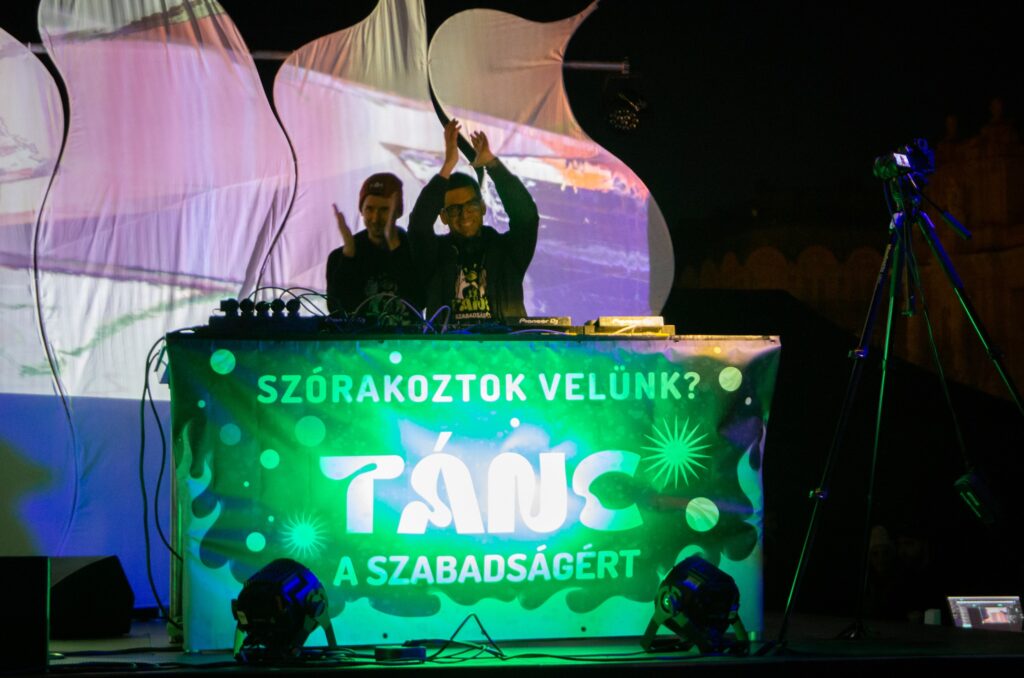
Participants began gathering in the late afternoon, and by early evening thousands were dancing together in front of Parliament. Electronic music played from a stage while activists and public figures briefly addressed the crowd between DJ sets.
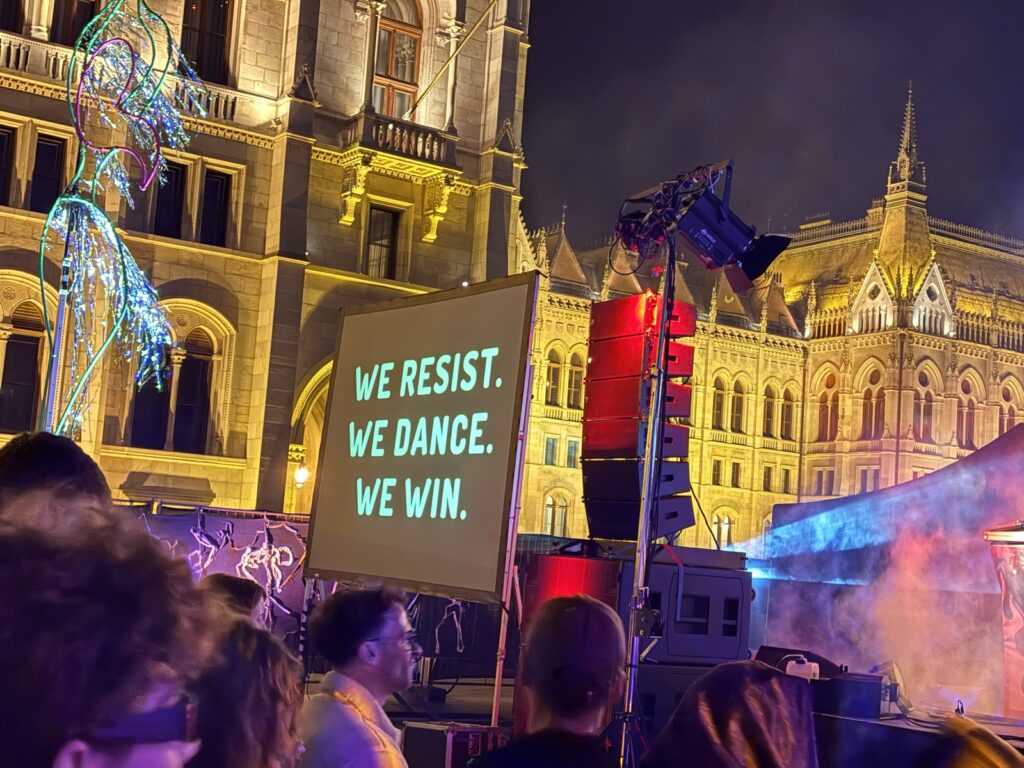
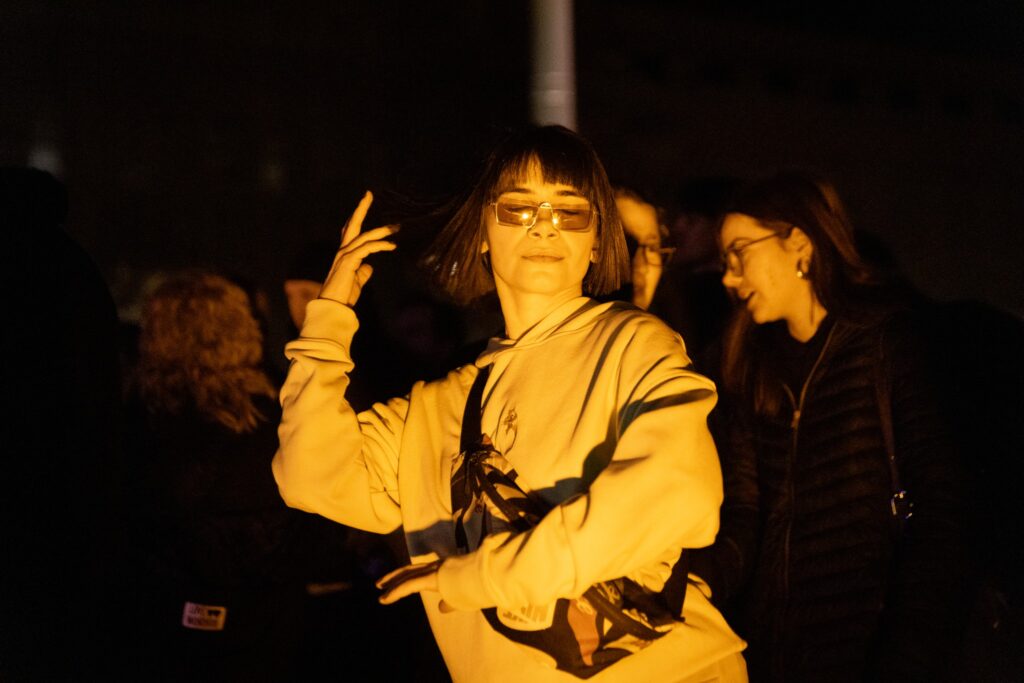
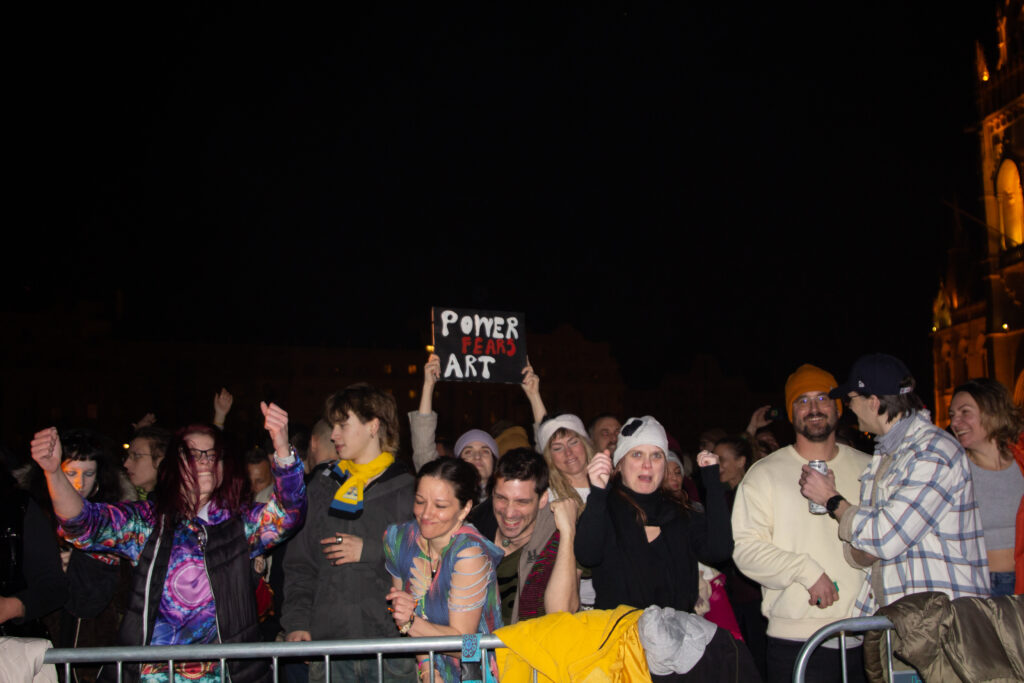
Organizers emphasized that the demonstration was meant to be peaceful and sober, highlighting community, creativity, and freedom of expression. The event blended elements of a political rally and a cultural gathering, turning dancing itself into a form of civic participation.
Background: Police Raids and Club Closures
The protests come after a series of police raids on clubs and music venues in Hungary. Over the past year, authorities have intensified drug enforcement in nightlife spaces, including undercover operations and searches of partygoers. Several venues have also faced temporary closures following police inspections, sparking criticism from nightlife organizers who argue that the measures disproportionately target youth culture and independent cultural spaces.
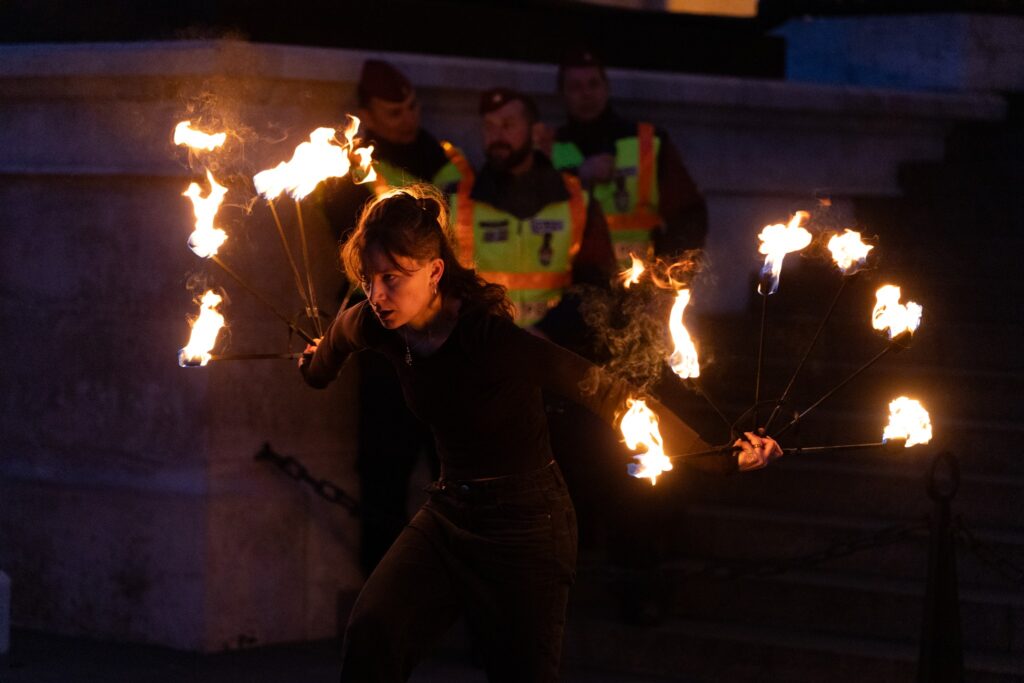
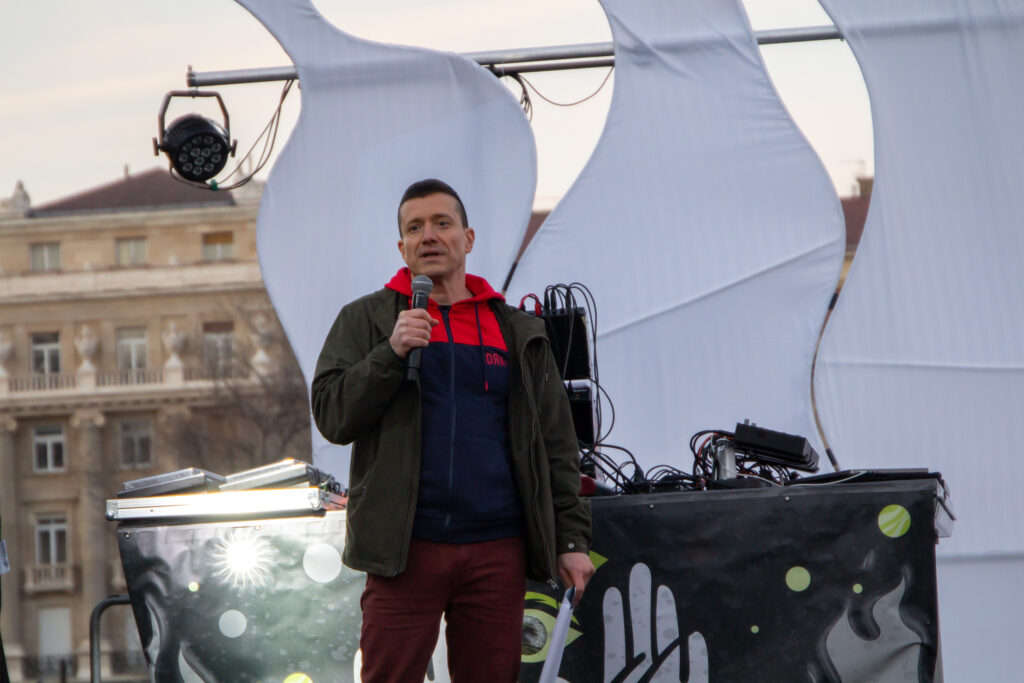
If they want to take away our civic spaces, if they want to push us to the margins, then we will take back our spaces and occupy the space here in the center, said the main organizer of the protest, Péter Sárosi (pictured above).
He said these policies do little to reduce drug-related harms and instead create an atmosphere of surveillance and intimidation in nightlife settings. Activists argue that clubs should be treated as cultural and community spaces rather than primarily as targets of law enforcement.
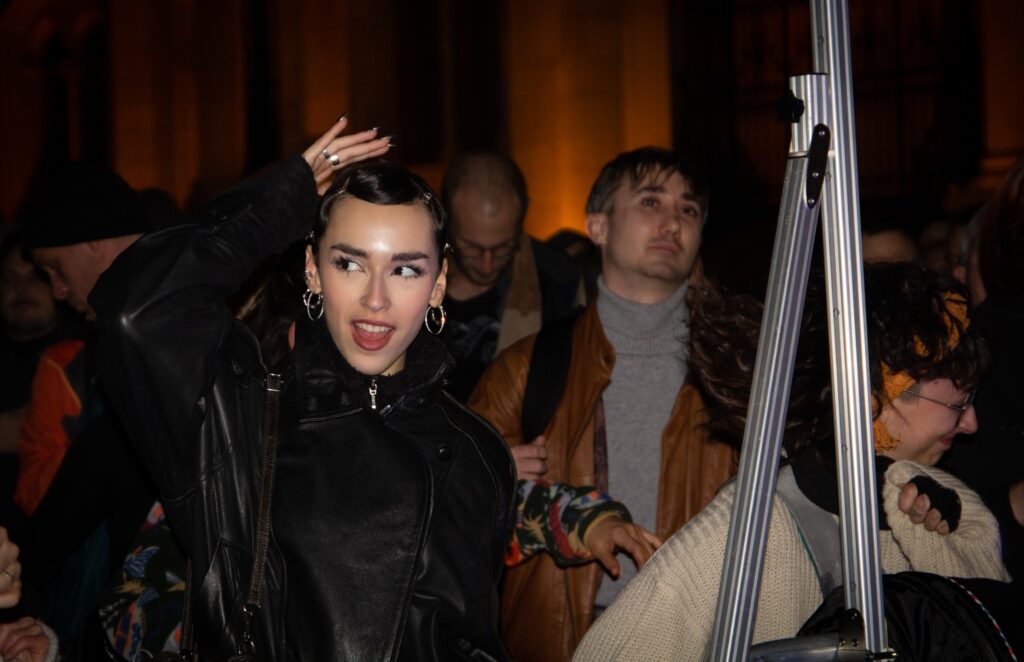
The idea of protesting through collective dancing draws inspiration from similar movements abroad. Organizers point particularly to the large-scale demonstrations that took place in Georgia in 2018, when thousands of young people gathered in front of the parliament in Tbilisi after heavily armed police raided prominent techno clubs.
Youth Culture Meets Political Expression
For many participants, the protest was not only about drug policy but also about defending spaces for youth culture, music, and collective expression.
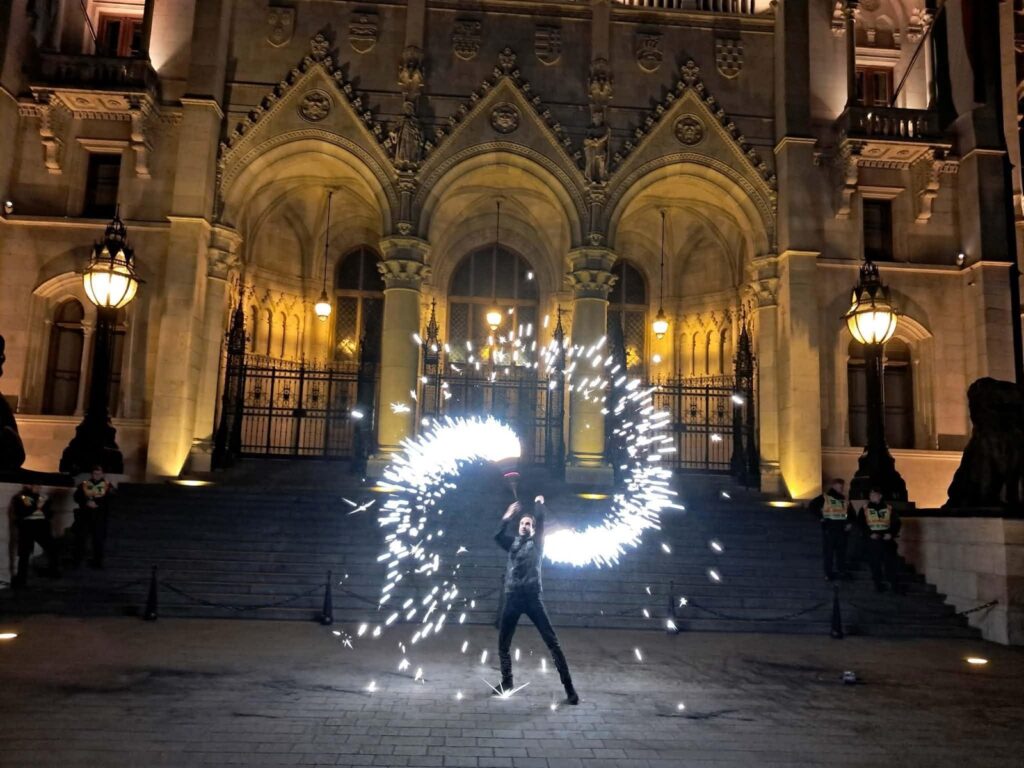
Electronic music and club culture have long been associated with communities built around diversity, creativity, and freedom. By bringing this culture directly to the steps of Parliament, demonstrators symbolically moved nightlife from the margins to the center of political debate.
Instead of traditional protest tactics, participants expressed their message through music and movement — turning the square into a temporary dance floor where activism and celebration intersected.
Drug Policy Enters Hungary’s Election Campaign
Hungary’s political climate is becoming increasingly tense as the country approaches its next parliamentary elections (April 12.). Public debate has grown more polarized, and many observers see the government’s intensified “war on drugs” as part of a broader law-and-order campaign aimed at mobilizing conservative voters. In recent months officials have frequently framed drug use—particularly among young people—as a growing threat to society, while police raids on nightlife venues have received significant media attention. Critics argue that these actions are less about effective drug policy and more about symbolic politics during an election period, reinforcing the government’s tough-on-crime image.
At the same time, opinion polls suggest that the ruling party may be facing its most serious electoral challenge in years. Several recent surveys indicate that the opposition has a realistic chance of winning the next election. Opposition parties have signaled that, if they come to power, they would likely reform Hungary’s current law enforcement-oriented drug policies and move toward more evidence-based approaches, including harm reduction measures and a reconsideration of punitive enforcement policies. For many activists, the Dance for Freedom protests are therefore not only about nightlife and policing, but also about shaping the future direction of drug policy in Hungary at a potentially pivotal political moment.


