
The Drugreporter Video Database
LATEST VIDEOS

VIDEO DATABASE
Click on the map to explore our video database and browse hundreds of drug policy films. Produced since 2008 by Drugreporter’s Péter Sárosi and István Gábor Takács, the collection includes documentaries, short films, educational videos, conference recordings, interviews, and more. Use the search to browse by topic, country, or series — and visit our English site for even more content, including films by our international network of collaborators. Here you will also find works created by our Russian-speaking colleagues and by filmmakers around the world whom we have trained.
IF YOU ONLY WATCH ONE VIDEO ABOUT DRUG POLICY, BE IT THIS ONE!
World renowned experts explain the most serious problems with the drug war in only 8 minutes!
THE UNITED NATIONS DRUG CONTROL SYSTEM
Drugreporter has been covering international drug policy developments at the UN Commission on Narcotic Drugs since 2008.
All CND videos
DOCUMENTARIES
We have been producing documentary films about drug policy reform and harm reduction advocacy since 2007.
Click here for all the documentariesPSYCHEDELIC SCIENCE
Short documentaries and conversations with leading experts in psychedelic science
View all psychedelic science videos
Kostya Proletarsky
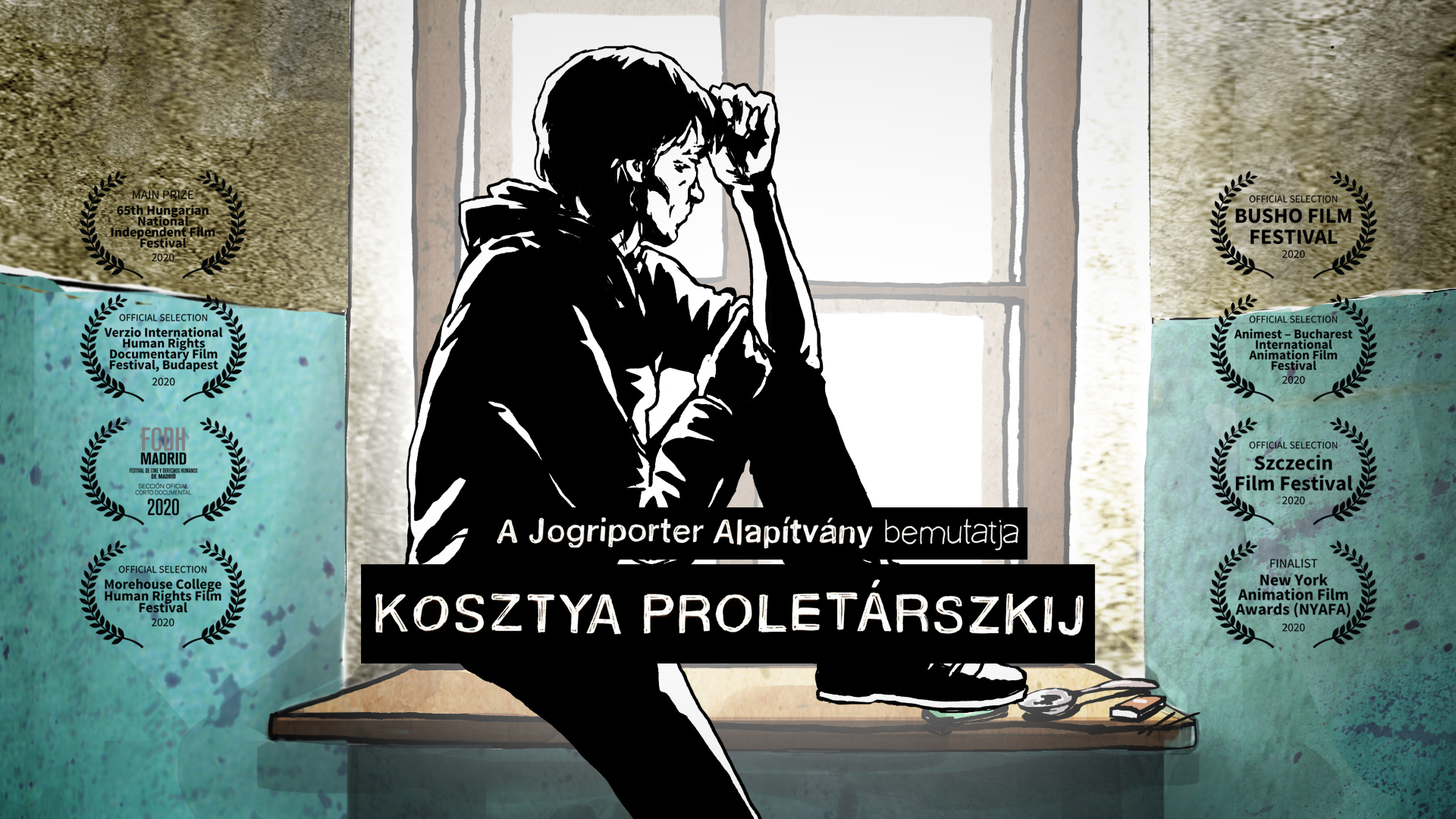
Our award winning animated documentary is based on the original audio recording of Kostya Proletarsky, a drug user and HIV activist who died as a result of mistreatment and torture at a Russian prison. The hand drawn animation film was awarded the Best Short Documentary award at the Madrid Film and Human Rights Festival and the Best Documentary award of the 65th Hungarian National Independent Film festival in 2020. Click here for the official web page.
PEER LEADERSHIP
Drugreporter is committed to supporting and documenting the human rights movement of people who use drugs.
Drugreporter and INPUD present the first episode of a 10-part series documenting how people who use drugs around the world have organized and formed collectives and unions to protect the health and human rights of their communities.
More videos on activism by people who use drugsJUST SAY KNOW
Our Just Say Know series educates the public about drugs, drug policy and harm reduction through simple, accessible videos shared across social media.
DRUG USERS NEWS
Russian language videos on drug policy, harm reduction and human rights.
More videos from DUNews

