You can turn on English subtitles at the bottom right of the YouTube window.
Narrator: Roberto Perez Gayo
Video and editing: István Gábor Takács
Narration text: Roberto Perez Gayo and István Gábor Takács
What are drug consumption rooms?
As the newly published Policy & Advocacy Brief on Drug Consumption rooms by Correlation – European Harm Reduction Network describes: “Drug Consumption Rooms are commonly defined as services where people can use pre-obtained drugs under hygienic conditions, with professional support, and in a safe environment without fear of violence, arrest or legal repercussions.
As part of these services, trained staff intervene in the event of a drug-related overdose or other medical complications and provide education on safer use practices. DCRs also supply equipment for drug use and a wide range of other services, including social, medical and mental health care and support, either onsite or through a referral system.
The primary concern and goal of DCRs is that of supporting the health and well-being of people who use drugs; for instance, by preventing overdose mortality, providing primary physical and mental healthcare, reducing transmission of communicable diseases and enabling testing.
Not only are DCRs successful health interventions, but they also have a positive impact on wider healthcare by decreasing the strain on ambulance services and in reducing long-term health consequences and costs.
DCRs minimise risks and harms resulting from the ‘risk environments’ that people who use drugs experience as a consequence of physical, social, economic and policy factors while additionally reducing drug use in public spaces and perceived public nuisance.
While these aims are fundamental, the harm reduction potential of DCRs is not only limited to offering a space to safely use drugs and to reduce drug use in public. Low-threshold DCRs also promote voluntary access to other types of support (health, housing, social, economic, and legal services) which might otherwise be too high- threshold for their clients to access.”
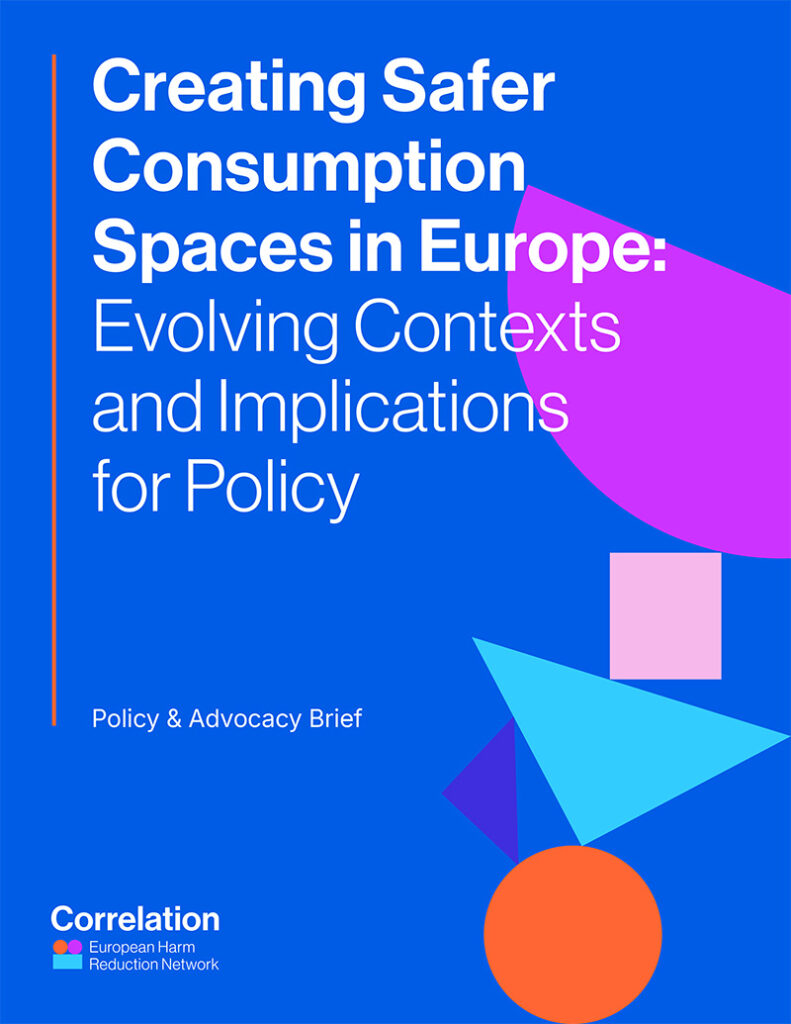
You can read the full report, titled: “Creating Safer Consumption Spaces in Europe: Evolving Contexts and Implications for Policy” below:
More english language resources on drug consumption rooms
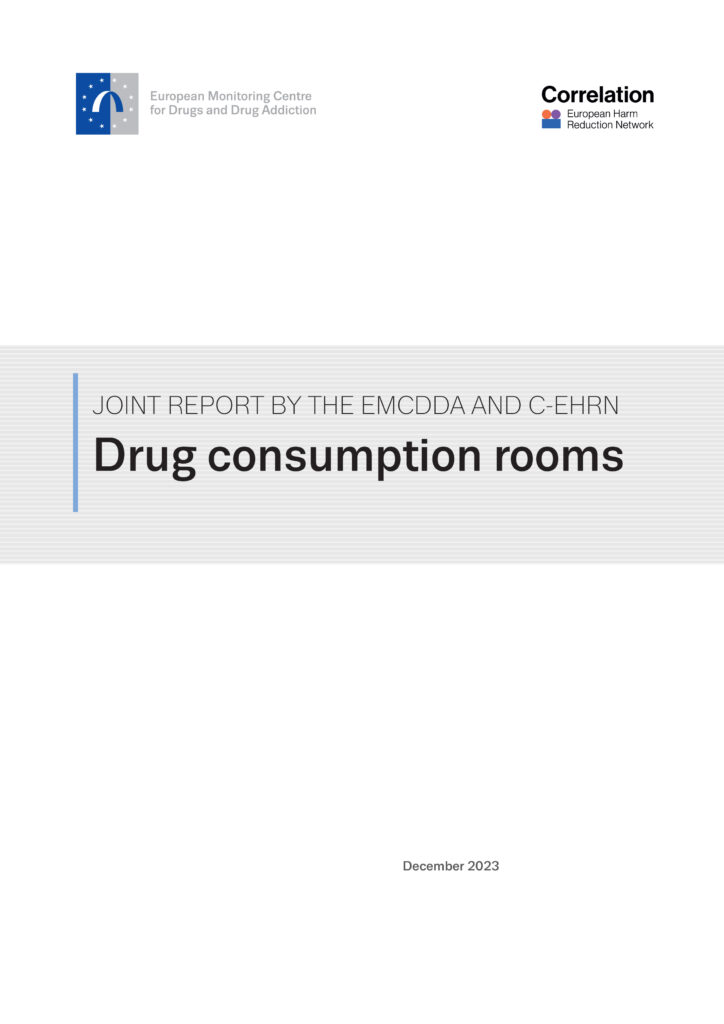
The main objective of this report, produced by the EMCDDA and C-EHRN, is to inform the debate on drug consumption rooms (DCRs) by analysing the available evidence and reviewing the different models in use and their characteristics.
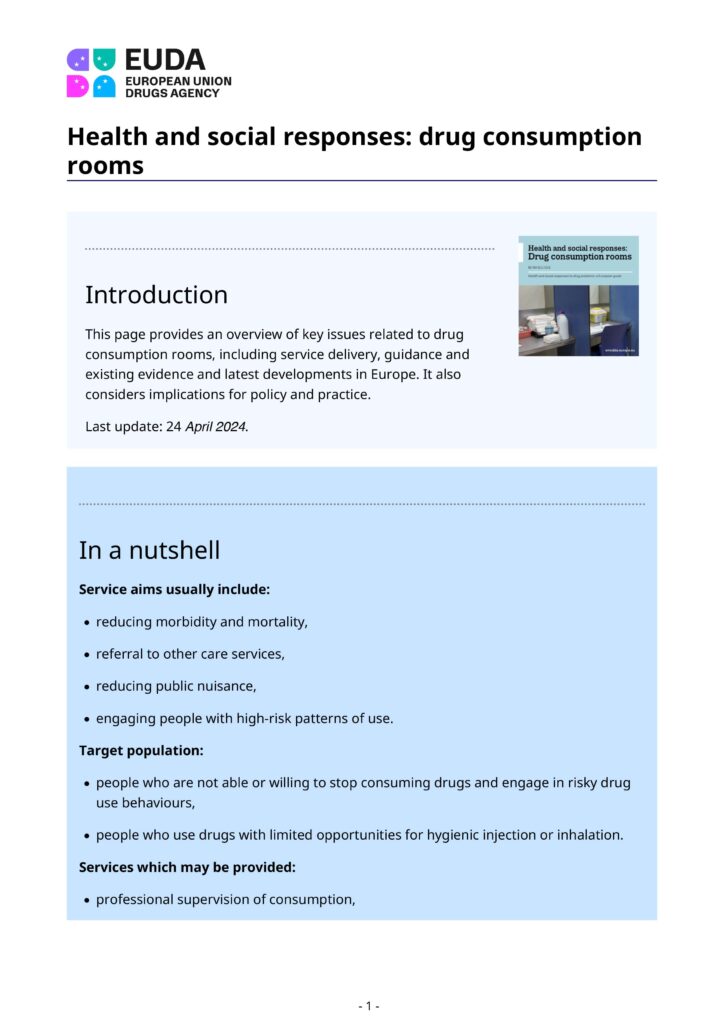
The European Union Drugs Agency (EUDA) website provides an overview of the key issues related to drug consumption rooms, including service provision, guidelines, the existing evidence base, and the latest developments in Europe.
The aim of this study is to provide an overview of the range, scope, and structure of care services currently provided by safer drug consumption facilities across Europe.
Supported by

This video has been co-funded by the European Union. Views and opinions expressed are however those of the author(s) only and do not necessarily reflect those of the European Union or HaDEA. Neither the European Union nor the granting authority can be held responsible for them.


